Shopping Cart

0

Your shopping bag is empty

Go to the shop

Sleep Care

Understanding the Problem: Sleep Disorders and Stress in India

In India, sleep disorders and stress are prevalent issues affecting a significant portion of the population. A systematic review published in December 2023 found that 25.7% of individuals suffer from insomnia, 37.4% from obstructive sleep apnea (OSA), and 10.6% from restless legs syndrome (RLS).tress levels are also alarmingly high. A report from Deccan Herald indicates that 24% of Indians are struggling with stress, with 26% attributing it to their current work situation and 17% to financial instability.

Prevalence of Sleep Disorders in India

A study published in the Indian Journal of Sleep Medicine found that 83.4% of the population had some type of sleep disorder, with 78.2% reporting symptoms of insomnia and 29.2% experiencing moderate to severe insomnia.

Additionally, a study during the COVID-19 pandemic reported that 61.8% of participants experienced sleep disturbances, a two-fold increase compared to 34.2% of the adult Indian population reported in ordinary times.

Impact of Stress on Health

Stress is a major contributing factor to non-communicable diseases (NCDs), which account for 66% of deaths in India.

A survey conducted among students across India found that 50% of respondents in the 24 to 34 age group reported feeling more stressed or anxious during the past 12 months.

Symptoms of Common Sleep Disorders

Understanding the symptoms of these conditions is crucial for effective management:

Image Grid

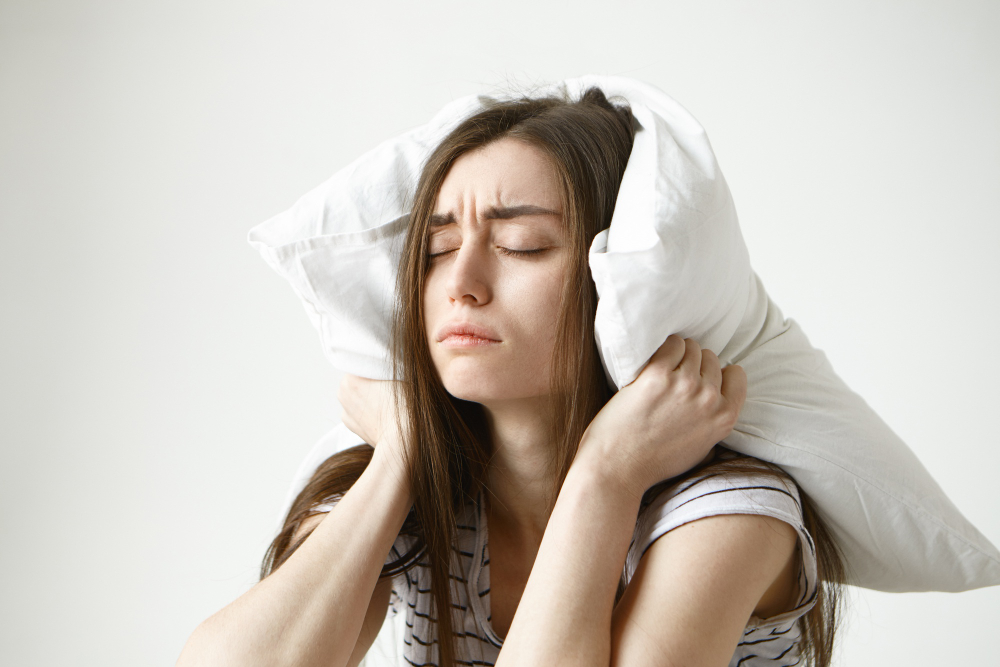
Insomnia

Characterized by difficulty falling asleep, waking up too early, or waking up multiple times during the night. Daytime sleepiness and irritability are also common.

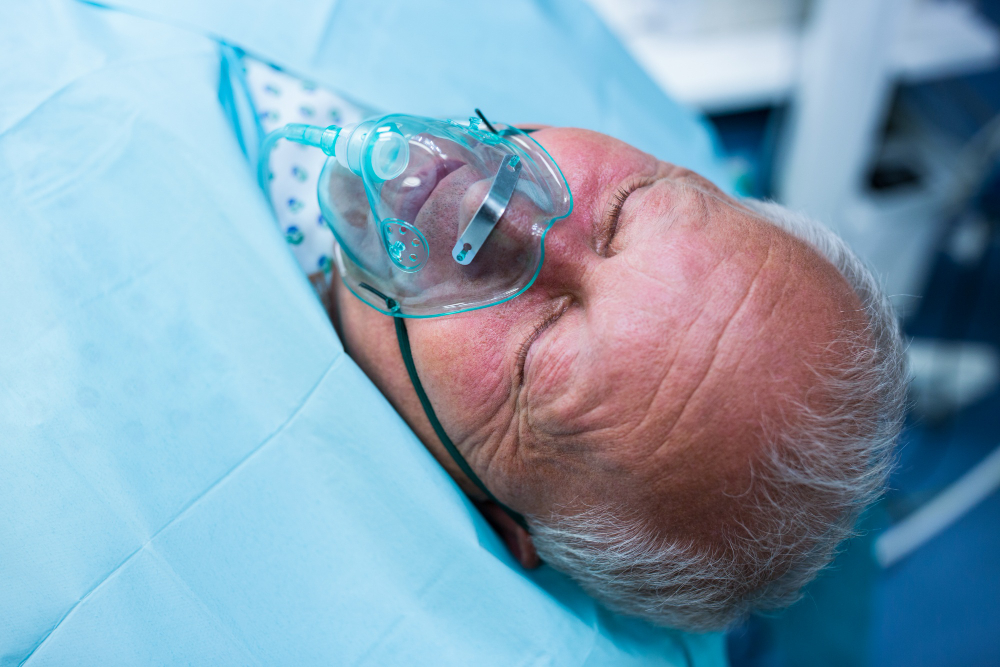
Obstructive Sleep Apnea (OSA)

Symptoms include loud snoring, choking or gasping during sleep, excessive daytime sleepiness, and difficulty concentrating. Individuals may also experience mood swings and high blood pressure.

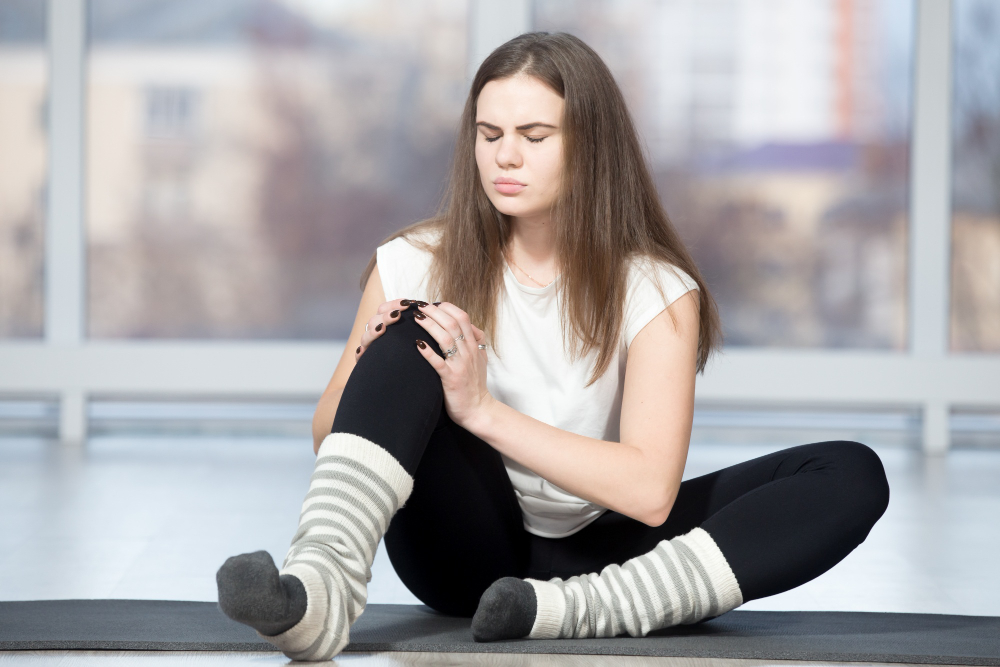
Restless Legs Syndrome (RLS)

Characterized by an irresistible urge to move the legs, often accompanied by uncomfortable sensations like tingling or crawling. Symptoms typically worsen in the evening and can lead to difficulty falling asleep.

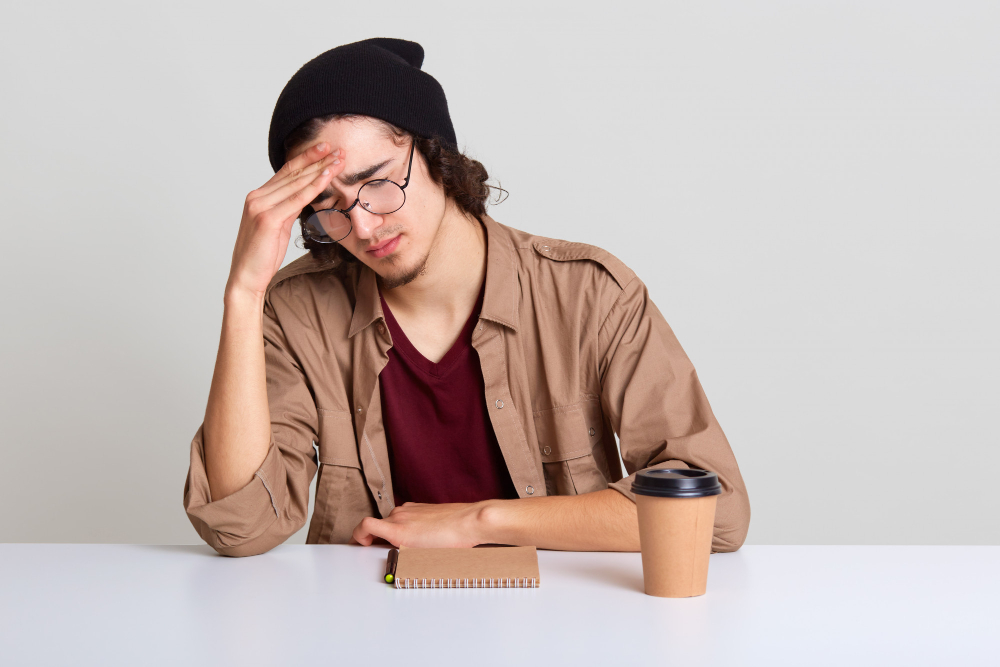
Stress

Symptoms include anxiety, irritability, fatigue, difficulty concentrating, and physical symptoms like headaches or muscle tension. Chronic stress can also lead to sleep disturbances.